



Most full removable dentures in the U.S. fall somewhere between $1,000 and $6,500+ for an upper and lower set. A single upper or lower denture may cost less. A premium denture, an immediate denture after extractions, or an implant-supported denture can cost more — sometimes much more.
The difficult part is that patients are often comparing prices that do not include the same things. One estimate may be for the denture only. Another may include extractions, X-rays, healing visits, relines, or implant attachments.
So when someone asks, “how much do full dentures cost?”, the real answer is not just a number. It is a treatment plan.
Key Takeaways
- Full dentures typically cost between $1,000 and $6,500+ for a complete upper and lower set, while implant-supported options can cost significantly more.
- The final cost depends on factors such as materials, customization, extractions, bone preparation, follow-up care, and whether implants are used.
- Patients who need tooth extractions, immediate dentures, or bone smoothing before treatment should expect higher overall costs.
- Dental insurance may reduce out-of-pocket expenses, but deductibles, annual maximums, waiting periods, and replacement rules can affect coverage.
- Conventional dentures are generally more affordable, while implant-supported and snap-in dentures provide greater stability at a higher cost.
- Denture treatment often includes additional long-term expenses such as relines, repairs, adjustments, and eventual replacement every 5 – 10 years.
- A comprehensive dental examination is the best way to receive an accurate denture estimate because every patient’s oral health needs are different.
How Much Do Full Dentures Cost?
A basic removable denture may start around $500 to $1,500 per arch. An arch means the upper jaw or the lower jaw. A more customized conventional denture often falls around $1,000 to $3,000 per arch. Premium dentures can run higher, and implant-supported dentures move into a different price category because surgery and implant parts are involved.
Here is the cleaner version of the numbers:
| Denture Option | General U.S. Cost Range |
|---|---|
| Economy denture | $500–$1,500 per arch |
| Conventional full denture | $1,000–$3,000 per arch |
| Premium full denture | $2,000–$4,000+ per arch |
| Implant-supported denture | $4,000–$15,000+ per arch |
These are not fixed Dental Team FL fees. They are broad planning ranges patients can use before an exam.
The average cost of dentures is useful only if you know what is being counted. A person who already has no teeth and healed gums may need a straightforward denture. Someone else may need infected teeth removed, uneven bone smoothed, and a temporary denture while the mouth heals. Both people may search “how much do dentures cost,” but their final estimates will not look the same.
That is why phone quotes can be frustrating. A dental office may be able to give a range, but not a responsible final number without looking at the teeth, gums, bite, and bone support.
What Full Dentures Actually Replace
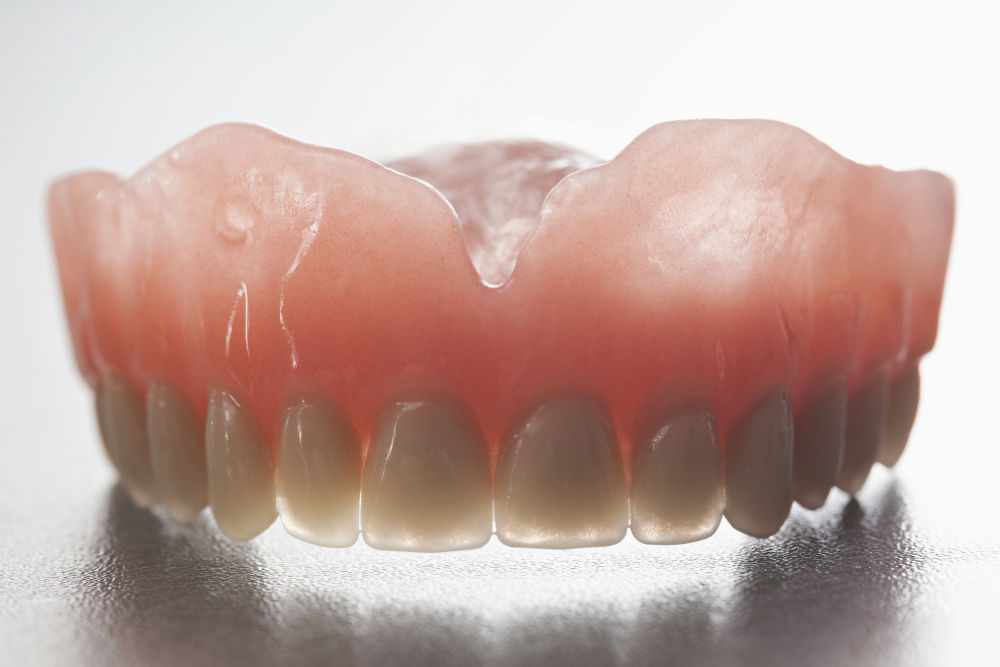
Full dentures replace all teeth in the upper jaw, lower jaw, or both. They are removable and sit on the gums.
An upper denture usually covers the roof of the mouth, which helps with suction. A lower denture is shaped around the tongue, so it often has less natural hold. This is one reason lower dentures tend to bother patients more.
Full dentures may be recommended when teeth are already missing or when remaining teeth are too damaged to save. That can happen because of advanced gum disease, severe decay, broken teeth, repeated infections, or old dental work that has failed over time.
A denture does more than fill empty spaces. It supports the lips and cheeks, helps with speech, gives the patient a chewing surface, and restores the appearance of a complete smile. It is not the same as having natural teeth. New denture wearers usually need practice. Speaking may feel strange at first. Chewing has to be relearned. Sore spots can happen and need adjustment.
None of that means dentures are a bad option. It just means the fit and planning matter.
Why Denture Prices Vary So Much
The frustrating thing about denture pricing is that two dentures can look similar in a photo and feel completely different in real life.
A lower-cost denture may use simpler acrylic, standard tooth shapes, and less individualized shading. A premium denture may use stronger materials, more natural-looking teeth, better gum coloring, and a more detailed bite setup. That extra work can affect comfort, appearance, and how the denture wears.
The lab work matters too. Dentures are not copied from a shelf. They have to be made around a patient’s jaw shape, bite height, smile line, and facial support. A denture that is too bulky can affect speech. A denture with the wrong bite can rock while chewing. A denture with poor tooth position may look artificial even if the material itself is fine.
Then there is the condition of the mouth.
A patient with smooth, healed gums may need fewer appointments. A patient with loose teeth, bone loss, infection, or a collapsed bite may need more planning. If the lower jaw ridge is very flat, the denture may be harder to stabilize. If teeth need to be removed, healing changes the shape of the gums, which means more follow-up.
Costs may also include things patients do not always expect:
- dental exams;
- X-rays;
- impressions or digital scans;
- extractions;
- bone smoothing;
- immediate dentures;
- soft liners;
- relines;
- repairs;
- follow-up adjustments;
- implant placement, if implants are part of the plan.
That is why the cost of dentures should never be judged by the denture fee alone.
What If Teeth Need to Be Removed First?
This is where the estimate often changes.
Some patients need dentures because they already have no teeth. Others still have teeth, but those teeth are loose, infected, broken, or painful. In that case, the cost of full dentures with extractions includes both the denture and the surgical side of treatment.
| Treatment Item | Typical Cost Range |
|---|---|
| Simple extraction | $150–$500 per tooth |
| Surgical extraction | $300–$800+ per tooth |
| Bone smoothing / alveoloplasty | $300–$1,500+ depending on area |
| Immediate denture | $1,500–$4,000+ per arch |
| Conventional denture after healing | $1,000–$3,000+ per arch |
A simple extraction is usually more direct. A surgical extraction may involve a broken tooth, a tooth under the gumline, curved roots, infection, or more time in the chair.
Bone smoothing is another possible cost. After teeth come out, the bone under the gums may have sharp or uneven areas. A denture sitting on that kind of ridge can hurt. Smoothing the bone can create a better base.
Many patients also ask about immediate dentures. These are made before teeth are removed and placed soon after extractions, so the patient does not have to spend weeks or months without teeth. That can be emotionally important. People still need to work, talk, eat, and see family.
The tradeoff is that immediate dentures usually need more adjustment. Gums shrink after extractions. The bone changes. A denture that fits on the first day may feel loose later, which is why relines are common.
Dentures With Insurance vs Dentures Without Insurance
Dentures without insurance can feel intimidating because the patient is looking at the full fee. If extractions, X-rays, or immediate dentures are needed, the total can rise quickly.
Dentures cost with insurance is less predictable than people expect. Many PPO plans cover dentures as a major service, but that does not mean the patient pays nothing. There may be a deductible, a waiting period, an annual maximum, or replacement rules.
A plan may cover part of a conventional denture but handle implants differently. It may cover extractions separately. It may not cover a premium upgrade. It may also limit how often dentures can be replaced.
A simple way to look at it:
| Situation | What to Check |
|---|---|
| No insurance | Ask about financing, phased treatment, or membership savings |
| PPO insurance | Check percentage covered for major services |
| Annual maximum | Find out how much benefit is left this year |
| Waiting period | Ask whether denture benefits are active yet |
| Replacement rule | Check how often a new denture is covered |
| Implant denture | Confirm whether implants or attachments are included |
The office can often help estimate benefits, but insurance estimates are not the same as a final guarantee. The insurance company makes the final decision after claims are submitted.
This is also why patients should ask for two numbers: the full treatment estimate and the expected out-of-pocket amount.
Main Types of Dentures and Cost Differences
Not every patient needs the same kind of denture. Some need a full upper and lower. Some need only one arch. Some still have enough healthy teeth for a partial denture. Some want more stability than a traditional denture can offer.
Conventional Full Dentures
Conventional full dentures are made after the gums have healed or when the patient already has no teeth.
They are usually more affordable than implant-supported dentures and do not require implant surgery. They can restore a full smile and help with basic chewing.
The main limitation is movement. Traditional dentures sit on the gums. They do not attach to the jaw. Lower dentures, in particular, may shift during eating or speaking.
Typical cost: $1,000–$3,000+ per arch.
Immediate Dentures
Immediate dentures are placed soon after teeth are removed. They are helpful for patients who do not want to be without teeth during healing.
They can be a good transitional option, but they are not always the final answer. Because the gums shrink after extractions, the denture may need soft liners, adjustments, or a later reline.
Immediate dentures cost more in some cases because they involve planning before extractions and follow-up afterward.
Typical cost: $1,500–$4,000+ per arch.
Partial Dentures
Partial dentures replace some missing teeth while natural teeth remain.
Partial dentures cost less than many implant plans and can help restore chewing without removing teeth that are still healthy. They may be made from acrylic, metal framework, or flexible material.
The remaining teeth need to be strong enough to support the partial. If they are loose or badly decayed, a partial denture may not be a stable long-term plan.
Typical partial dentures cost: $700–$3,500+ per arch.
Flexible Partial Dentures
Flexible partial dentures are made from a bendable material. Some patients like them because they feel less rigid and the clasps may blend better with gum tissue.
They are not ideal for every bite. They can also be harder to repair than some traditional partials.
Typical cost: $1,000–$3,500+ per arch.
Implant-Supported Dentures
Implant-supported dentures attach to dental implants. They may be removable or fixed, depending on the design.
They cost more because the treatment may include implant surgery, attachments, healing time, temporary teeth, and more detailed lab work. The benefit is stability. The denture is not relying only on the gums.
Typical cost: $4,000–$15,000+ per arch, with complex cases costing more.
Snap-In Dentures
Snap-in dentures are removable implant-supported dentures. They connect to implants with attachments and can be removed for cleaning.
Snap-in dentures cost more than regular removable dentures, but they usually feel more secure. They are often discussed for patients who struggle with a loose lower denture.
Typical snap-in dentures cost: $4,000–$12,000+ per arch.
Are Affordable Dentures Worth Considering?
Yes, affordable dentures can be worth considering. Not everyone needs the most expensive option.
A budget denture may make sense as a temporary denture, a first denture after extractions, a backup denture, or a practical option for a patient trying to control costs.
But affordable should not mean unwearable.
A denture that hurts, rocks, looks unnatural, or makes eating difficult is not a good value, even if the first price was low. The important questions are:
- What material is used?
- How many appointments are included?
- Are adjustments included?
- Is the denture meant to be temporary or long-term?
- Will a reline be needed after healing?
- What happens if the fit is poor?
A lower-cost denture can work well when expectations are clear. A premium denture may be better when appearance, bite detail, and longer-term comfort are priorities.
The Costs People Forget About
Dentures are not a one-time object that stays perfect forever. The mouth changes. The denture wears. Small repairs happen.
| Possible Later Cost | Typical Range |
|---|---|
| Adjustment | $50–$250 |
| Reline | $200–$600+ |
| Repair | $100–$500+ |
| Replacement denture | Often needed after 5–10 years |
| Snap-in attachment replacement | Varies by system |
| Cleaning supplies | Ongoing smaller cost |
Relines are common, especially after extractions. A reline adds material to the inside of the denture so it fits the changed gum shape better.
Repairs may be needed if the denture cracks or a tooth breaks off. Patients should not use household glue. It can damage the denture and irritate the mouth.
Denture replacement is also normal. Even if a denture does not break, it may stop fitting well because the bone and gums underneath have changed.
Ways to Keep Denture Costs More Manageable
The best way to save money is not always to choose the cheapest denture. Sometimes it is to avoid paying twice.
Before starting, ask for a written estimate. Not just “how much do dentures cost,” but what the full treatment includes.
Useful questions:
- Is this for one arch or both?
- Are exams and X-rays included?
- Are extractions separate?
- Will I need an immediate denture?
- How many adjustments are included?
- Will I need a reline after healing?
- Is the denture temporary or final?
- Does my insurance cover major services?
- What is my annual maximum?
- Are there financing options?
- Can I use FSA or HSA funds?
- Can treatment be phased?
For dentures without insurance, financing may help spread out the cost. Some patients may also benefit from membership plans if available. For dentures cost with insurance, timing matters. If the annual maximum is low, the office may help explain how benefits apply.
Patients in Florida often compare several denture options, especially traditional dentures versus implant-supported dentures. Comparing is fine. Just compare the same thing. A price that excludes extractions, relines, or follow-up care is not the same as a more complete estimate.
Traditional Dentures or Implant-Supported Dentures?
Traditional dentures are less expensive upfront. They are also removable, non-surgical, and suitable for many patients.
Implant-supported dentures cost more, but they can solve one of the biggest denture complaints: movement.
| Question | Traditional Dentures | Implant-Supported Dentures |
|---|---|---|
| Lower upfront cost? | Yes | No |
| More stable? | Sometimes, but may move | Usually yes |
| Surgery needed? | No | Yes |
| Helps with bone preservation? | No | Around implant areas, yes |
| Removable? | Yes | Depends on design |
| Better for loose lower denture? | Limited | Often yes |
The lower denture is usually the problem area. Upper dentures can often get some suction from the palate. Lower dentures sit around the tongue and may shift more.
Implants give the denture something to connect to. That can improve chewing confidence and reduce slipping. Implants also stimulate the bone in the areas where they are placed, which traditional dentures do not do.
Are implant-supported dentures worth the cost? For some patients, yes. For others, traditional dentures are enough. Health, bone volume, budget, and expectations all matter.
When Full Dentures Start to Make Sense
Full dentures may be considered when most or all teeth in one arch are missing or cannot be restored predictably.
This may happen with:
- advanced gum disease;
- severe decay;
- repeated infections;
- loose teeth from bone loss;
- broken teeth that cannot hold crowns;
- old dental work that is failing across the mouth;
- difficulty chewing because too many teeth are missing.
A dentist should still check whether some teeth can be saved. Sometimes partial dentures, bridges, implants, or staged restorative dentistry may be possible.
Full dentures are a big decision, especially if extractions are involved. Patients should understand the cost of full dentures, healing time, maintenance, and alternatives before treatment begins.
Schedule a Denture Consultation
If you are trying to understand how much dentures cost for your own mouth, an exam is the practical next step. A dentist can check your gums, remaining teeth, bite, bone support, and health history before giving a real estimate.
Dental Team FL provides full and partial dentures, personalized treatment planning, insurance assistance, financing options, and care across multiple Florida locations.
A consultation can help you compare traditional dentures, immediate dentures, partial dentures, snap-in dentures, and implant-supported dentures before choosing a plan.