



Losing several teeth, or all of them, changes more than your smile. It changes how you eat. How you speak. How confident you feel in photos, restaurants, conversations, even small daily moments most people never think about until their teeth start moving.
Traditional dentures can help. For many patients, they are still a reasonable and affordable solution. But not everyone adjusts well to removable dentures. Some people struggle with slipping, sore spots, food limitations, denture adhesive, or the feeling that their teeth are never fully secure.
That is where implant dentures may be worth discussing.
Implant dentures are dentures that attach to dental implants placed in the jawbone. They can be removable, often called snap-in dentures, or fixed in place so only a dentist removes them. The goal is simple: better stability than regular dentures, with replacement teeth that feel more secure during eating, speaking, and smiling.
Dental Team FL provides dental implant services across its Florida locations, including care for patients replacing missing teeth and restoring chewing function. The practice lists dental implants among its available cosmetic and restorative services, with locations across Broward, Miami-Dade, and Palm Beach County.
Key Takeaways
- Implant dentures attach to dental implants placed in the jawbone.
- They can be removable, like snap-in dentures, or fixed in place.
- Implant-supported dentures usually provide better stability than traditional dentures.
- They may improve chewing, speech, comfort, and confidence.
- They usually cost more than regular dentures and involve a surgical step.
- Good candidates need healthy gums and enough bone, or a plan to rebuild support.
- Healing can take several months because the implants need time to integrate with bone.
- A consultation is the best way to compare dentures and implants for your mouth, budget, and goals.
What Are Implant Dentures?
Implant dentures are replacement teeth supported by dental implants rather than relying only on the gums.
A traditional full denture rests on the gum tissue. It may stay in place through suction, fit, muscle control, and sometimes adhesive. That can work well for some patients. For others, especially with lower dentures, movement becomes a daily problem.
Implant dentures are different because the denture connects to implants in the jaw. The implants act like small artificial tooth roots. Once they heal into the bone, they create a stronger foundation for the denture.
You may hear several names for this treatment:
- implant dentures
- implant-supported dentures
- snap-in dentures
- overdentures
- dentures with implants
- fixed dentures
- permanent dentures
- full-arch implant teeth
These terms are related, but they do not always mean exactly the same thing.
Snap-in dentures usually refer to removable implant-supported dentures. They attach to implants with special connectors and can be taken out for cleaning.
Fixed dentures or permanent dentures usually refer to a full arch of teeth attached to implants in a way that stays in the mouth. The patient does not remove them at night. A dentist removes them during professional maintenance if needed.
An overdenture is a denture that fits over and gains support from implants, tooth roots, or remaining structures. In modern conversations, patients often use the word overdenture when talking about removable implant-supported dentures.
The main point is that implant dentures combine two ideas: dental implants and dentures. The denture replaces the visible teeth. The implants provide support underneath.
How Do Implant Dentures Work?
Implant dentures work by attaching a custom denture to implants placed in the jawbone.
Dental implants are usually made from biocompatible materials such as titanium. During the dental implant procedure, the implant is placed into the jawbone. Over time, the bone heals around it. This process is called osseointegration. Cleveland Clinic explains that jawbone fusion around the implant may take several months, although initial healing is much shorter.
The process varies from person to person, but it often looks something like this:
- Consultation and exam
The dentist reviews your mouth, gums, bite, medical history, bone levels, and goals. - Imaging and treatment planning
X-rays or 3D scans may be used to check bone volume and plan implant position. - Preparatory care if needed
Some patients need extractions, gum treatment, or bone grafting before implants. - Implant placement
Titanium implants are placed into the jawbone. - Healing period
The bone gradually integrates with the implants. - Attachment selection
The dentist plans how the denture will connect to the implants. - Final denture fitting
The denture is made, adjusted, and attached to the implants.
With snap-in dentures, the denture clicks onto attachments. Patients remove it for cleaning. With fixed dentures, the replacement teeth are secured to the implants and stay in the mouth.
The number of implants varies. Some lower overdentures may use two implants. Other cases need four or more. A full fixed arch often needs more support than a removable overdenture. The right plan depends on the patient’s bone, bite strength, jaw shape, budget, and expectations.
Benefits of Implant Dentures
The strongest reason patients consider implant dentures is stability. A denture that moves during meals can make people avoid certain foods, chew on only one side, or feel nervous in public.
Implant-supported dentures are designed to reduce that movement.
The benefits may include:
| Benefit | Why it matters in daily life |
|---|---|
| Better stability | Less slipping while eating or speaking |
| Stronger chewing | Easier time with foods that regular dentures may struggle with |
| More confidence | Less worry about dentures moving in public |
| Improved speech | More stable replacement teeth can help with clearer pronunciation |
| Less gum irritation | Reduced movement can mean fewer sore spots for some patients |
| Better facial support | Replacement teeth help support lips and cheeks |
| Bone stimulation | Implants help stimulate the jawbone where they are placed |
| Fewer adhesive concerns | Many patients use less or no denture adhesive |
The benefits of dental implants are not only cosmetic. When teeth are missing, the jawbone no longer receives the same chewing stimulation in those areas. Dental Team FL’s own dental implant information notes that missing teeth can affect chewing ability, facial structure, adjacent tooth position, appearance, and speech.
That does not mean implant dentures are magic. They still need cleaning. They still require planning. They still involve a surgical step. But for patients who are tired of loose removable dentures, the improvement can be meaningful.
Some patients talk about the change in very ordinary terms: they can eat in a restaurant without worrying, speak without holding their mouth a certain way, or laugh without thinking about whether the denture will shift. Those everyday changes are often the real reason people ask about implant dentures.
Implant Dentures vs Traditional Dentures
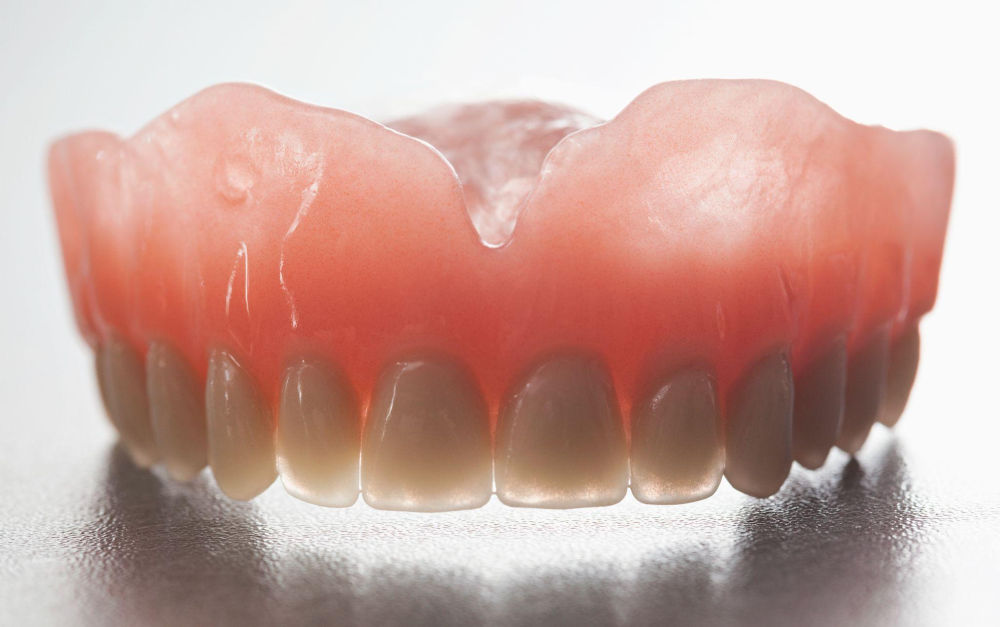
Traditional dentures and implant dentures both replace missing teeth. The difference is how they stay in place.
Traditional dentures rest on the gums. Implant dentures connect to implants in the jawbone.
Neither option is automatically “right” for everyone.
| Factor | Traditional Dentures | Implant Dentures |
|---|---|---|
| Stability | Can move, especially lower dentures | Usually more stable because implants support them |
| Cost | Usually lower upfront | Higher upfront cost |
| Surgery | No implant surgery required | Requires implant placement |
| Chewing | Can be limited with tougher foods | Often stronger and more secure |
| Comfort | Depends heavily on fit and gum shape | Often more comfortable once healed and adjusted |
| Maintenance | Removed and cleaned daily | Depends on removable or fixed design |
| Bone support | Does not stimulate bone like implants | Implants stimulate bone where placed |
| Adjustment period | Can take time, especially with lower dentures | Also takes time, but stability may be better |
| Lifespan | May need relines, adjustments, replacement | Implants can last many years with proper care, but dentures/attachments may need maintenance |
Some people still prefer removable dentures because they are less expensive, do not involve surgery, and can be made more quickly. For patients with certain medical conditions, limited bone, or budget restrictions, traditional dentures may still make sense.
Implant dentures may be better for patients who want more security and are comfortable going through the dental implant procedure. They can be especially helpful for people who already wear dentures but are frustrated with looseness.
This is where a personal evaluation matters. Dentures and implants are not just products. They need to fit the person’s mouth, health, habits, and expectations.
Who Is a Good Candidate for Implant Dentures?
A good candidate for implant dentures usually has multiple missing teeth or needs a full arch of replacement teeth. Many candidates are people who already wear full dentures and want better stability.
You may be a candidate if:
- you are missing most or all teeth in one arch
- your current dentures feel loose
- you avoid certain foods because chewing feels unstable
- your dentures rub or create sore spots
- you want replacement teeth that feel more secure
- your gums are healthy enough for treatment
- you have enough jawbone to support implants
- you are willing to maintain regular dental visits
- you do not want to rely heavily on adhesive
Bone density matters because implants need support from the jawbone. If bone loss has already occurred, that does not always rule out treatment. Bone grafting may sometimes help build support before implants are placed.
Gum health also matters. Active gum disease can affect implant success. Smoking, uncontrolled diabetes, certain medications, and some medical conditions may also influence healing. Mayo Clinic notes that dental implant surgery requires healthy oral tissues and enough bone to secure implants, or the ability to have bone grafting when needed.
A consultation is the only real way to know. Some patients who assume they are not candidates may have options. Others may need a staged plan before implants are placed.
What Is the Recovery Process Like?
Recovery from implant dentures is usually done in stages. It is not one single appointment where everything is finished for every patient.
After implant placement, mild swelling, tenderness, bruising, or discomfort may occur. Many patients manage this with the dentist’s aftercare instructions, soft foods, and recommended medication. The first few days are usually the most noticeable.
The longer healing step is osseointegration. That is the period when the bone grows around and stabilizes the implant. Cleveland Clinic notes that this can take three to nine months, depending on the case.
A simple recovery timeline may look like this:
| Stage | What usually happens |
|---|---|
| First few days | Soreness, swelling, soft foods, careful cleaning |
| First 1–2 weeks | Gum tissue begins to heal |
| Several months | Bone integrates with the implants |
| Follow-up visits | Dentist checks healing and implant stability |
| Final denture stage | Denture is attached, adjusted, and refined |
Some patients wear temporary dentures during healing. Others may have a different temporary solution depending on their mouth and treatment plan.
It is important not to rush healing. The implants need time to become stable before they carry full chewing pressure. That waiting period can feel long, but it is part of what helps create a stronger result.
How Much Do Implant Dentures Cost?
Implant dentures cost more than traditional removable dentures because they involve implants, surgery, planning, attachments, and a custom prosthetic. But the exact cost can vary widely.
The main factors include:
- number of implants needed
- upper arch, lower arch, or both
- removable vs fixed dentures
- bone grafting or extractions
- type of materials used
- complexity of the bite
- sedation needs
- imaging and planning
- lab work
- follow-up visits
- maintenance needs over time
This is why generic online pricing can be misleading. One patient may need a two-implant lower overdenture. Another may need extractions, grafting, and a fixed full-arch restoration. Those are not the same treatment.
Insurance coverage also varies. Some plans may contribute toward parts of treatment, such as extractions or the denture portion. Others may have limited implant coverage. Financing may help patients spread out the cost.
Dental Team FL’s service pages mention flexible payment plans and new patient offers in relation to dental services and implant care, but patients should confirm current availability directly with the office because offers and financing details can change.
When comparing implant dentures cost with regular dentures, it helps to think beyond the first invoice. Regular dentures may need adjustments, relines, adhesives, repairs, or replacement over time. Implant dentures also need maintenance, but they may offer better daily function for patients who cannot tolerate loose dentures.
The best question is not only “How much are dental implants?” It is, “What solution gives me the best balance of comfort, function, cost, and long-term care?”
Are Implant Dentures Worth It?
Implant dentures may be worth it for patients who want better stability than traditional dentures and are good candidates for implant treatment.
They are often most valuable for people who:
- dislike loose dentures
- feel nervous eating in public
- avoid chewy or firmer foods
- use denture adhesive often
- have sore spots from denture movement
- want replacement teeth that feel more secure
- want a longer-term tooth replacement plan
The value is not only in the smile. It is in daily comfort. Eating. Speaking. Laughing. Not worrying every time you bite into something.
That said, implant-supported dentures are not right for everyone. They cost more. They require surgery. They need healing time. They also require consistent cleaning and dental maintenance. The FDA notes that dental implants, like any medical device and surgical treatment, carry possible risks, including infection, injury to surrounding structures, inadequate function, or implant failure.
So, are implant dentures worth it? For many patients, yes, especially when regular dentures are not giving enough stability. But the decision should be made after a dental exam, imaging, and a clear discussion of options.