
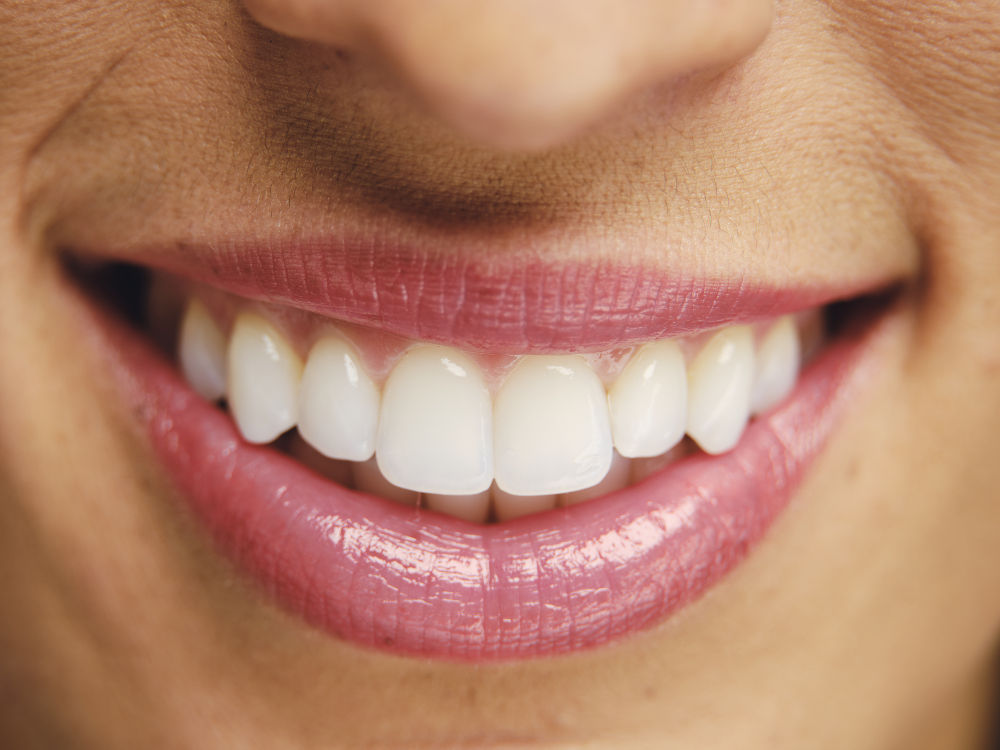


Chewing gum can work the jaw muscles, especially the masseter muscle near the angle of the jaw, but it will not dramatically reshape your face or melt fat under the chin. That is the part many TikTok jawline gum videos leave out. Gum may make the jaw feel tired, slightly “pumped,” or more active, but genetics, bone structure, body fat, dental alignment, posture, and overall health have far more influence on jawline appearance.
For most people, occasional gum chewing is harmless. Problems start when gum becomes a daily jaw workout, especially with hard chewing gum for jawline trends, mastic gum jawline routines, clenching habits, or existing TMJ discomfort.
Key Takeaways
- Chewing gum can activate the jaw muscles, but the change is usually minor and mostly muscular, not structural.
- The masseter muscle can become stronger or more noticeable with repeated use, but this does not mean the whole jawline will become sharply defined.
- Chewing gum does not reduce face fat or directly remove a double chin.
- Jawline gum trends often exaggerate what gum can realistically do.
- Hard gum and long chewing sessions may aggravate TMJ pain, headaches, jaw clicking, clenching, or tooth wear.
- People who already grind their teeth, wake with jaw soreness, or get tension headaches should be careful with chewing gum for jawline routines.
- A more defined jawline usually depends more on body composition, facial structure, posture, dental alignment, and healthy habits than gum chewing.
Does Chewing Gum Help Your Jawline?
The honest answer is: a little, for the muscle; not much, for the actual shape of the face.
When people ask “does chewing gum help jawline” or “does chewing gum help your jawline,” they are usually hoping for a sharper lower face without surgery, injections, weight loss, or orthodontic treatment. That is understandable. Chewing gum feels simple, cheap, and easy to turn into a routine. The problem is that facial appearance is not controlled by one muscle.
Chewing works the masseter muscles, which sit on each side of the face near the back of the jaw. If you clench your teeth gently and place your fingers near the jaw angle, you can feel those muscles tighten. Gum chewing uses them repeatedly, so in theory, consistent chewing can strengthen them slightly. In people who chew heavily, clench, or grind, the masseter muscles may even become more prominent.
But that does not mean chewing gum for jawline definition works the way social media often suggests. The jawbone does not become longer. The chin does not move forward. Fat under the chin does not disappear. Loose skin does not tighten because of gum. If the face looks different after chewing, it may be temporary muscle fatigue, slight swelling, or the person simply noticing the area more.
So, can chewing gum help your jawline at all? It may make the jaw muscles feel more engaged, and in some people it may create a subtle change in muscle tone. But if someone expects a dramatic before-and-after, gum is the wrong tool.
Why People Think Gum Makes the Jawline Sharper
Jawline gum trends work partly because they are built around a believable idea: muscles respond to use. That part is true. The masseter is a muscle, and repetitive chewing can train it to some degree. What gets exaggerated is the size of the result and how visible it will be.
A person may chew hard gum for a few minutes and feel the jaw area tighten. They may see a slightly fuller angle near the masseter after chewing. That can look like definition in certain lighting, especially in a video. It does not mean the lower face has permanently changed.
Jawline appearance is influenced by several things at once:
| Factor | Affects Jawline More Than Gum? |
|---|---|
| Genetics and bone structure | Usually, yes |
| Overall body fat | Yes |
| Neck and chin fat distribution | Yes |
| Dental bite and jaw position | Often, yes |
| Posture and head position | Sometimes, yes |
| Hydration and puffiness | Sometimes |
| Masseter muscle size | Can contribute |
| Gum chewing alone | Usually minor |
Lower body fat often makes the jawline look clearer because there is less soft tissue covering the bone and muscle. Genetics influence chin projection, jaw width, and how fat is distributed in the face and neck. Dental alignment and bite can also affect the lower-face profile, although orthodontic or dental evaluation is needed before assuming the bite is the issue.
Hydration plays a smaller but real visual role. Some people notice more facial puffiness after salty meals, alcohol, poor sleep, or dehydration. Gum will not solve that.
What Happens to Your Jaw Muscles When You Chew Gum?
Chewing gum uses the muscles that close the jaw, especially the masseter and temporalis muscles. The masseter is the one most connected with the “square jaw” look because it sits near the back corner of the jaw. In people with naturally strong masseters, clenching habits, or heavy chewing habits, this area can look more pronounced.
Repetitive chewing is a form of muscle work. If the gum is soft and chewing is occasional, the workload is usually small. If the gum is very hard, or if someone chews for long periods every day, the jaw muscles can become overworked.
This is where jawline gum becomes different from casual gum chewing. Regular gum after lunch is one thing. Hard chewing gum marketed for jawline results is another. Some products are designed to create resistance, and some people use mastic gum jawline routines because mastic can be firmer than standard gum. The stronger the resistance and the longer the session, the more load the jaw joints and muscles take.
That load is not always helpful. Jaw muscles can fatigue like any other muscle, but unlike a biceps workout, chewing also involves teeth, fillings, crowns, jaw joints, ligaments, and the bite. A person who already clenches at night may be adding extra work during the day without realizing it.
Dentists sometimes see patients who do not connect their symptoms with gum. They come in with morning jaw soreness, temple headaches, clicking near the ear, or worn tooth edges. Then it turns out they chew gum for hours, use hard gum, clench while working, or grind during sleep.
Masseter training is not automatically dangerous, but the mouth is not a gym machine. If the jaw starts complaining, it is worth listening.
Can Chewing Gum Reduce Face Fat or a Double Chin?
No, chewing gum does not directly reduce face fat. It also does not reliably remove a double chin.
The idea behind this myth is spot reduction, which means trying to lose fat from one specific area by exercising nearby muscles. The body does not work that neatly. Fat loss comes from overall energy balance, genetics, hormones, age, and lifestyle. You cannot chew away fat from under the chin in the same way you cannot do sit-ups to remove fat only from the lower abdomen.
People searching “does chewing gum reduce face fat” or “does chewing gum help with double chin” are usually looking for a non-invasive way to slim the lower face. Chewing may burn a very small number of calories, but not enough to change facial fat in a meaningful way. It may strengthen or tire the jaw muscles, but muscle activity and fat loss are not the same thing.
A double chin may come from several sources: fat distribution, genetics, skin laxity, posture, jaw position, chin projection, or normal aging. Gum chewing does not address most of those.
If a person’s jawline becomes more visible after weight loss, improved posture, better sleep, or reduced facial puffiness, gum may get too much credit because it was part of the routine. The bigger changes usually come from elsewhere.
Potential Risks of Excessive Gum Chewing
Chewing gum is not bad by default. Sugar-free gum can even be useful after meals because it stimulates saliva, which helps neutralize acids. The concern is excessive chewing, hard gum, or gum chewing in someone whose jaw system is already overloaded.
The jaw joint is called the temporomandibular joint, often shortened to TMJ. It sits near the ear and helps the jaw open, close, and move side to side. Around that joint are muscles, ligaments, teeth, and bite surfaces that all share the workload. When chewing becomes repetitive or forceful, symptoms may show up in more than one place.
Possible problems include:
| Possible Issue | How Gum Can Contribute |
|---|---|
| Jaw soreness | Repeated chewing can fatigue the masseter muscles |
| TMJ pain | Hard chewing may irritate an already sensitive joint |
| Headaches | Overworked jaw muscles can refer discomfort to the temples |
| Jaw clicking | Extra strain may make existing joint noises more noticeable |
| Tooth sensitivity | Heavy chewing can stress teeth, fillings, or crowns |
| Teeth grinding overlap | Gum may worsen an already overactive clenching pattern |
| Uneven muscle development | Chewing mostly on one side may overwork one masseter |
| Digestive discomfort | Sugar alcohols in sugar-free gum can bother some stomachs |
The uneven chewing point matters more than people think. If someone chews mostly on the right side, the right masseter may work harder. Over time, this may add to asymmetry or jaw fatigue on one side. It is not usually dramatic, but in a person already sensitive to facial asymmetry, it can become another worry.
Sugar-free gum can also contain sugar alcohols such as sorbitol or xylitol. These are common and generally fine for many people, but large amounts may cause bloating, gas, or digestive upset in some.
Signs You May Be Overworking Your Jaw
Gum chewing may be too much for your jaw if you notice:
- soreness near the jaw angle after chewing
- pain near the ear
- clicking, popping, or grinding sounds
- headaches near the temples
- jaw stiffness in the morning
- tooth sensitivity without a clear cavity
- chewing pain on one side
- the jaw feeling tired after meals
- difficulty opening wide
- clenching during work, driving, or exercise
- worn-looking tooth edges
- one side of the face feeling tighter than the other
These signs do not always mean gum is the only cause. Grinding, bite issues, stress, arthritis, old dental work, trauma, or TMJ disorders can also be involved. But if symptoms appear after starting jawline chewing gum or hard gum routines, stop the routine and have the jaw evaluated.
Is Jawline Gum Different From Regular Gum?
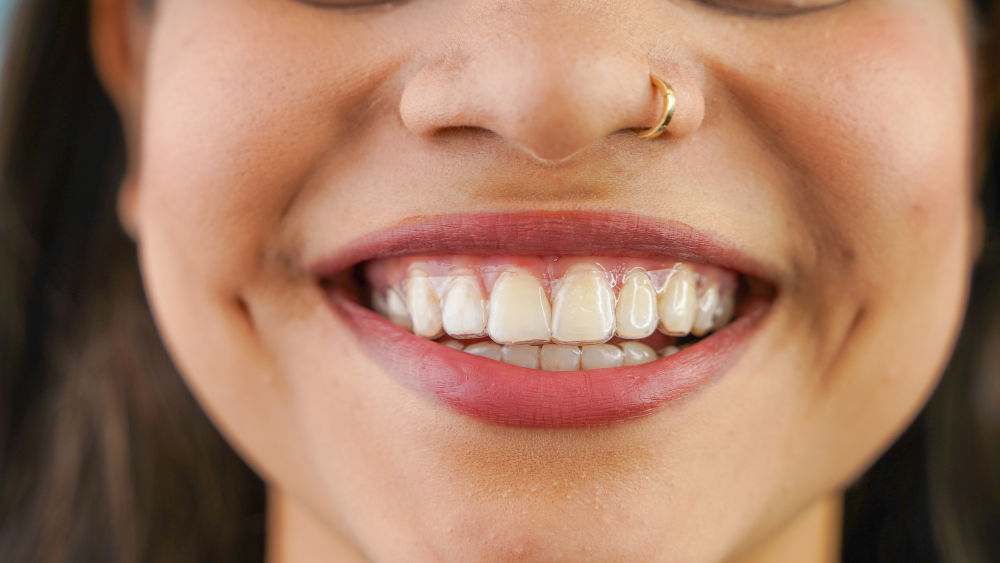
Jawline gum is usually marketed as harder, tougher, or more resistant than regular gum. Some products are designed specifically for “jaw training.” Mastic gum is also popular because it can be firmer and more natural-feeling than ordinary chewing gum.
Does jawline gum work? It can make the jaw muscles work harder, but that does not prove it creates a safer or better-looking jawline. Stronger chewing resistance means more load on the masseter muscles and TMJ. That may be exactly what some people are seeking, but it is also why the trend can create problems.
Hard chewing gum for jawline routines is often promoted with dramatic before-and-after claims, but the evidence for major facial reshaping is limited. A person may feel stronger chewing muscles, but changing facial structure is a much bigger claim.
Mastic gum jawline routines deserve the same caution. Mastic is not automatically harmful, but long chewing sessions can still overwork the jaw. “Natural” does not mean risk-free, especially for people with TMJ symptoms, crowns, fillings, veneers, tooth wear, or clenching habits.
Regular sugar-free gum used briefly after meals is very different from treating gum as resistance training for the face.
Better Ways to Improve Jawline Appearance
People search “how to get more defined jawline” because they want something practical. Gum is rarely the strongest answer.
A more defined jawline can come from several areas, depending on the person. Healthy body composition may make the lower face look clearer. Posture can change how the chin and neck appear in photos and daily life. Sleep, hydration, and lower alcohol intake may reduce puffiness for some people. Skin care can improve texture, though it will not change bone shape.
Dental factors can also matter. A misaligned bite, worn teeth, missing teeth, narrow arches, or jaw position concerns can affect the lower-face appearance. That does not mean every cosmetic concern is a dental problem, but it does mean a dental evaluation can be useful if jaw pain, bite discomfort, tooth wear, or alignment issues are present.
Orthodontics may help in selected cases where bite or alignment affects function and appearance. Restorative dentistry may help when worn or missing teeth change facial support. These are not quick social media fixes, but they address real structure rather than forcing the jaw muscles to work harder.
A realistic jawline plan may include:
- overall fitness and healthy body composition
- better posture, especially head and neck position
- enough water and sleep
- reducing habits that cause puffiness
- managing clenching or grinding
- checking bite and tooth wear
- treating missing or worn teeth when relevant
- avoiding extreme gum-chewing routines
For someone with jaw pain, the first goal should not be a sharper jawline. It should be a comfortable jaw.
When Should You See a Dentist About Jaw Pain?
A dentist should evaluate jaw symptoms when pain is recurring, one-sided, worsening, or connected with chewing, headaches, or tooth wear. Gum chewing may be harmless for one person and irritating for another, especially if the TMJ is already sensitive.
Make an appointment if you notice jaw soreness that lasts after chewing, clicking with pain, locking, difficulty opening, headaches near the temples, tooth sensitivity, worn teeth, chipped fillings, or morning jaw tightness. These can point toward clenching, grinding, TMJ strain, bite problems, or other dental concerns.
If the symptoms started after using jawline gum, mastic gum, or hard chewing gum for jawline definition, mention that clearly. It gives the dentist useful context.
Dental Team FL can evaluate jaw pain, tooth wear, bite concerns, TMJ-related symptoms, and oral health changes that may be linked with gum chewing habits. The answer is not always “never chew gum.” Often it is about amount, timing, gum type, and whether the jaw is already under stress.
Myth vs Fact
| Myth | Fact |
|---|---|
| Chewing gum can completely reshape your jawline. | Gum can work the jaw muscles, but it does not change bone structure dramatically. |
| Jawline gum burns face fat. | Fat loss does not happen in one selected area because of chewing. |
| Harder gum means better results. | Harder gum means more strain, which may increase TMJ or muscle symptoms. |
| If your jaw is sore, the gum is working. | Soreness may mean overuse, not progress. |
| Mastic gum is automatically safe because it is natural. | Natural gum can still overwork the jaw if used excessively. |
| Gum chewing is always bad for teeth. | Occasional sugar-free gum can be fine and may stimulate saliva. Problems come from excess, sugar, or jaw strain. |
Dental Team FL Perspective
Jawline gum is popular because it offers a simple promise: chew this, look sharper. Dentistry sees the other side of that promise. Some patients can chew gum casually with no issue. Others already clench, grind, have worn teeth, or live with jaw tension, and extra chewing adds to the problem.
Dental Team FL encourages patients to look at jawline trends realistically. Gum may work the masseter muscles, but it will not rewrite facial structure, remove face fat, or fix a double chin. If gum chewing leads to soreness, clicking, headaches, tooth sensitivity, or bite discomfort, the jaw needs attention rather than more resistance.