
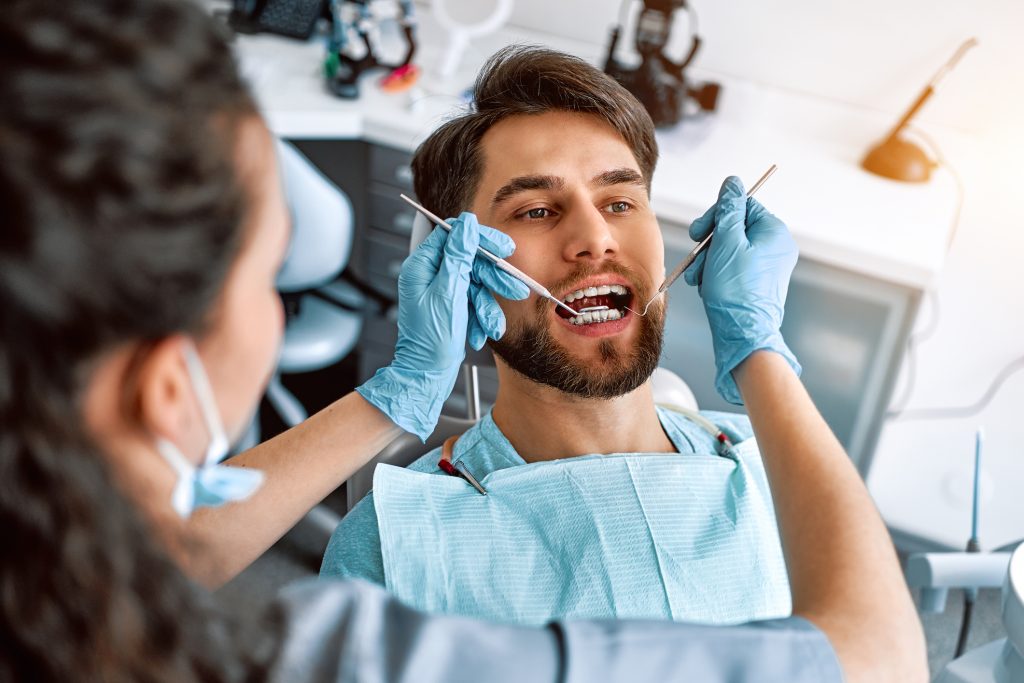


Loose teeth are unsettling.
People often notice it suddenly. A front tooth moves slightly when biting into food. Or the tongue catches a tooth that didn’t feel mobile before. Sometimes it happens after an injury, but more often the change develops slowly.
That’s usually when patients begin searching for answers. Questions like can a dentist fix loose teeth, or whether a dental splint for loose teeth might help, appear frequently online.
In many cases the tooth itself isn’t the problem. The supporting structures around the tooth — the bone and gum tissue — are what need stability and time to recover.
This is where dental splinting can make a difference.
Dentists sometimes stabilize a mobile tooth by connecting it to neighboring teeth with a small bonded support called a dental splint or tooth splint. The goal is simple: reduce movement so the surrounding tissues can heal.
Patients visiting Dental Team FL, including those from Miami, Fort Lauderdale, Delray Beach, and Plantation, often learn that loose teeth do not automatically mean tooth loss. In many situations, stabilization and periodontal care can protect the tooth.
Understanding how splinting teeth works helps patients make informed decisions about treatment.
Key Takeaways
- Dental splinting helps stabilize loose teeth by bonding them to neighboring teeth
- Loose teeth are often caused by gum disease, bone loss, trauma, or bite pressure
- Splinting reduces tooth movement so supporting bone and gum tissue can heal
- Dentists may use temporary or longer-term splints depending on the cause of mobility
- The procedure is usually conservative, minimally invasive, and often completed in one visit
- Cost depends on the number of teeth involved, the type of splint, and whether periodontal treatment is also needed
What Is Dental Splinting?
A dental splint is a stabilizing device used to support teeth that have become mobile. Instead of leaving a loose tooth to move independently, the dentist bonds it to neighboring teeth. Together, the teeth form a stronger unit.
This process is known as dental splinting or sometimes tooth splinting.
The idea behind the treatment is mechanical support. When teeth are linked together, chewing forces are distributed across multiple teeth rather than focused on a single weakened one.
Think of it as structural reinforcement.
Instead of one tooth absorbing all the pressure of biting and chewing, the connected teeth share that load. That stability allows the surrounding bone and gum tissue to begin healing.
A tooth splint may involve:
• bonding fiber material behind the teeth
• attaching a thin wire for reinforcement
• linking teeth with composite bonding material
The splint is usually placed on the back side of the teeth, where it remains largely invisible.
Many patients are surprised to learn that dental splinting is typically a conservative procedure. In many cases the tooth itself does not need to be drilled or significantly altered.
Key points to understand
• A dental splint stabilizes loose teeth
• Teeth are bonded together to distribute pressure
• The goal is to allow bone and gum tissue to heal
• The splint is usually placed behind the teeth
Why Do Teeth Become Loose?
A tooth rarely becomes mobile without a reason.
Most often the cause is periodontal disease, also known as gum disease. When bacteria accumulate under the gums, they can gradually damage the bone that supports the teeth.
As bone levels decrease, teeth may begin to feel slightly mobile.
Patients sometimes say something interesting during dental exams. They ask why their teeth feel loose even though the teeth themselves seem healthy.
The answer usually lies beneath the gumline.
Other factors may also contribute to mobile teeth, including:
• dental trauma from sports or accidents
• advanced gum infection
• bone loss around the roots
• excessive bite pressure or grinding
Sometimes people notice a mobile tooth while chewing something firm. Other times the movement is only felt with the tongue.
Occasionally patients say something like: “why do my teeth feel loose when they aren’t?” In these cases the tooth may still be stable, but inflammation around the gum tissue can create a similar sensation.
When true mobility appears, dentists evaluate whether splinting teeth might help stabilize the situation.
When Do Dentists Recommend Tooth Splinting?
Not every loose tooth requires splinting. Dentists first determine the cause of mobility.
However, several situations commonly lead to tooth splinting.
One is dental trauma. If a tooth has been injured but remains viable, stabilizing it with a tooth splint may allow the surrounding ligament and bone to recover.
Another common reason is periodontal disease. After gum treatment reduces infection, a dental splint for loose teeth can help stabilize teeth while healing occurs.
Splints may also be recommended when:
• front teeth have become mobile
• periodontal treatment has reduced inflammation but mobility remains
• multiple teeth need stabilization during healing
• trauma has displaced teeth
In these cases dentists may recommend periodontal splinting, a form of stabilization designed specifically for teeth affected by gum disease.
The goal is not simply to stop movement temporarily. The goal is to create an environment where the supporting tissues can recover.
Types of Dental Splints
Dentistry uses several dental splint types, depending on the situation and the expected duration of treatment.
Temporary dental splints
Temporary splints are used when stabilization is needed during healing. For example, after a traumatic injury, a dentist may place a splint for teeth that stays in place for a few weeks.
These splints are typically removed once the tooth regains stability.
Permanent dental splints
Some patients require longer-term stabilization. In those cases, dentists may place a semi-permanent dental splint bonded behind the teeth.
Permanent splints are often used in periodontal splinting cases where bone support has been reduced.
Intracoronal vs extracoronal splints
These two terms describe how the splint connects to the teeth.
Intracoronal splints are placed within prepared grooves inside the teeth.
Extracoronal splints are bonded to the outside surface, usually behind the teeth. An extracoronal splint is the most common modern technique because it requires less tooth preparation.
Comparison of dental splint types
| Splint Type | Typical Use | Duration |
| Temporary splint | Trauma stabilization | Weeks |
| Permanent splint | Periodontal support | Months or years |
| Intracoronal splint | Internal reinforcement | Long-term |
| Extracoronal splint | Bonded surface support | Common modern option |
The Dental Splinting Procedure
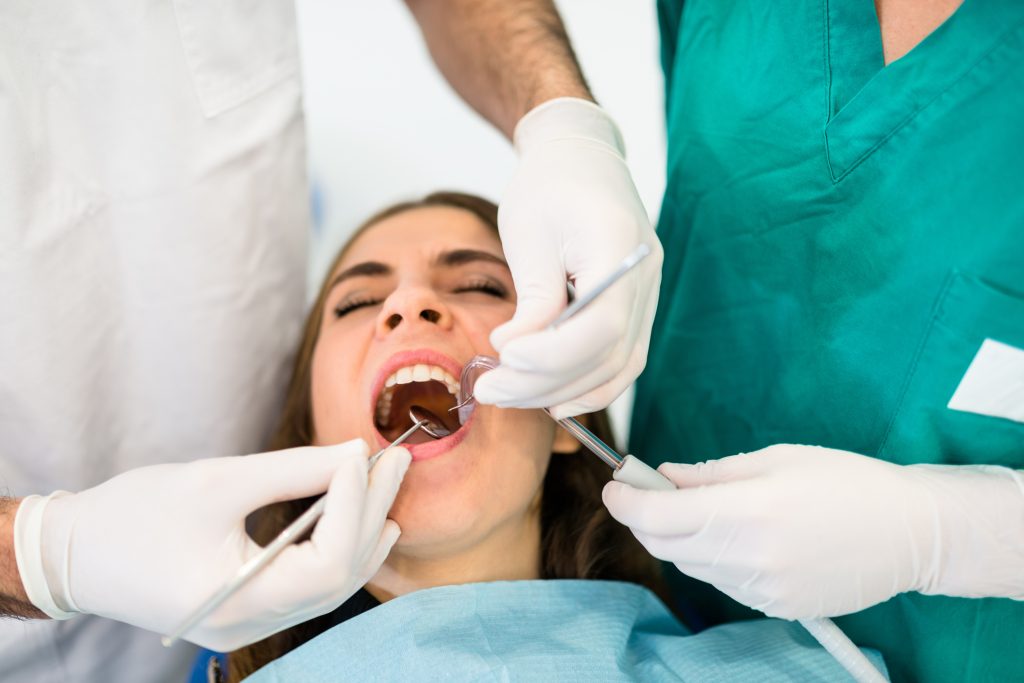
The tooth splinting procedure is usually straightforward and minimally invasive.
First, the dentist performs a full examination. X-rays and periodontal measurements help determine how much support the tooth still has.
Next comes preparation.
The teeth involved are carefully cleaned and dried. This step ensures the bonding material will attach properly.
Then the splint material is positioned behind the teeth. A fiber strip or thin wire may be used depending on the case.
Composite bonding is applied to secure the splint. Once hardened with a curing light, the material creates a stable connection between the teeth.
Finally the dentist checks the bite to ensure chewing pressure is evenly distributed.
For most patients the entire tooth splinting procedure can be completed in a single appointment.
Is Dental Splinting Painful?
Patients often worry about discomfort during treatment.
The reassuring news is that dental splinting is typically not painful. In many cases no anesthesia is needed at all.
If the gums are sensitive due to periodontal disease, a dentist may use local anesthesia to keep the patient comfortable.
After the procedure some mild sensitivity may occur while the teeth adjust to their new stability. This usually resolves quickly.
For most patients asking is tooth splinting painful, the experience is far less uncomfortable than expected.
How Long Does Dental Splinting Last?
One of the most common questions patients ask is how long does dental splinting last.
The answer depends on the type of splint and the condition of the supporting bone.
Temporary splints may remain for several weeks while injured ligaments heal.
Longer-term splints used in periodontal splinting cases may stay in place for months or even years.
Good oral hygiene plays a large role in longevity. Patients who maintain healthy gums and regular dental care often keep splints functioning for extended periods.
Dental Splint Cost
Another practical concern involves dental splint cost.
The price varies depending on several factors:
• number of teeth being stabilized
• type of splint material used
• complexity of the case
• whether periodontal treatment is also required
Estimated cost comparison
| Treatment Type | Typical Cost Range |
| Single loose tooth splint | $300 – $800 |
| Multiple teeth stabilization | $600 – $1,500 |
| Periodontal splinting cases | varies depending on treatment |
Patients sometimes ask specifically about splinting loose front teeth cost because front teeth are commonly affected by gum disease or trauma.
During an exam, dentists can explain how much does a dental splint cost based on the individual situation.
Caring for Splinted Teeth
After splinting teeth, proper care is important for long-term success.
Patients are usually advised to follow a few simple guidelines:
• brush gently around the splinted area
• floss carefully using floss threaders if needed
• avoid biting very hard foods
• attend follow-up dental visits
These habits protect both the splint and the surrounding gum tissue.
When to See a Dentist for Loose Teeth
A loose tooth should always be evaluated by a dentist.
Patients often wonder can a dentist fix loose teeth, and in many cases the answer is yes.
Early treatment can stabilize teeth before severe bone loss occurs. Dentists evaluate mobility, gum health, and bone levels to determine the best treatment plan.
Sometimes a loose tooth splint can provide the stability needed to preserve the tooth.
FAQs About Dental Splinting
What is a dental splint?
A dental splint is a stabilizing device that connects mobile teeth to neighboring teeth, helping reduce movement during healing.
Can splinting save a loose tooth?
In many cases, yes. Dental splinting allows supporting tissues time to recover and can prevent further damage.
How long do dental splints stay in place?
Temporary splints may remain for several weeks, while long-term splints used in periodontal splinting may remain much longer.
Is splinting permanent?
Some splints are temporary, while others remain in place as long-term stabilization devices.
Can loose teeth tighten again?
If the cause of mobility is treated and the teeth are stabilized, some improvement in firmness may occur.
Schedule a Consultation
If you’ve noticed tooth mobility or gum disease symptoms, a professional evaluation is important.
Dentists at Dental Team FL provide periodontal treatment and dental splinting for patients experiencing loose teeth.
For individuals in Miami, Fort Lauderdale, Delray Beach, and Boynton Beach, early care can often stabilize teeth before tooth loss occurs.Scheduling a consultation with Dental Team FL allows dentists to determine whether a dental splint for loose teeth may be the right solution.