
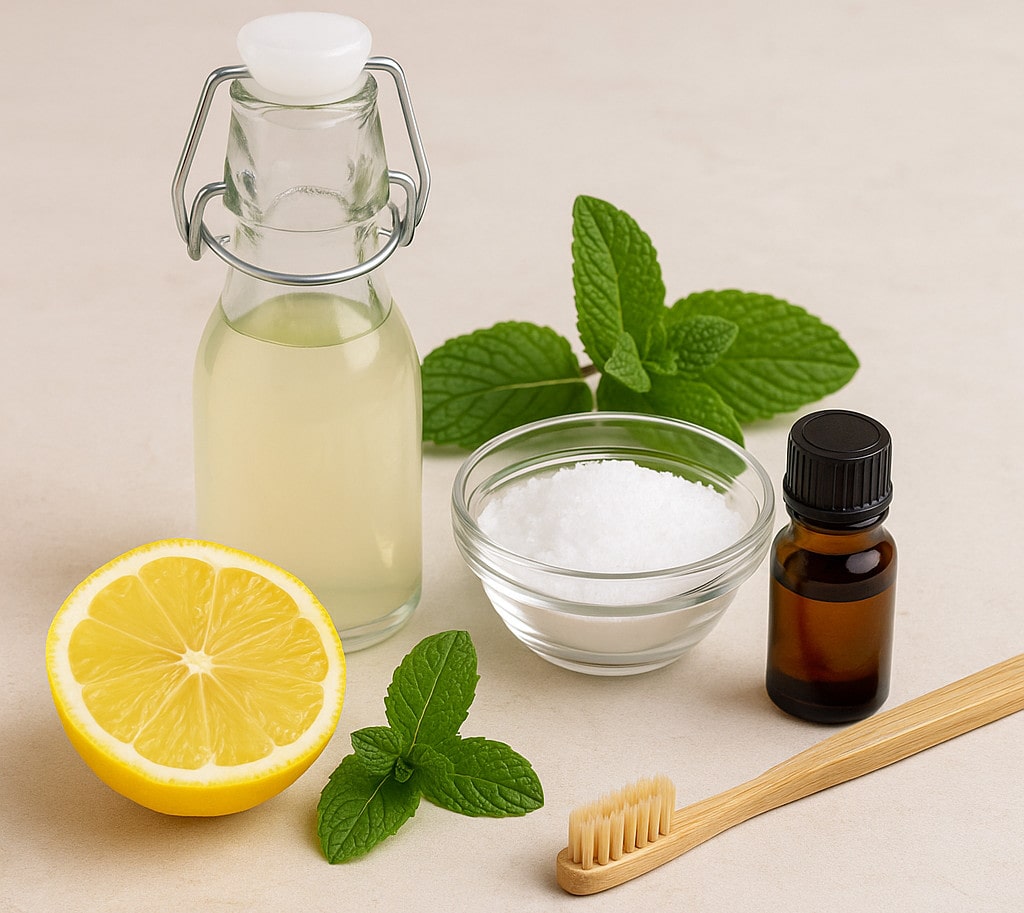


Why Try Homemade Mouthwash?
Just after dawn along Fort Lauderdale’s Broadwalk, the first joggers cross paths with early‑morning fishermen casting lines from the seawall. Many of those runners pause afterward for a sip of water and a quick swish of salt‑water rinse — no store‑bought bottle in sight, just a travel cup filled from home that soothes dry gums before the city fully wakes. At Dental Team FL, patients often recount these small rituals: mixing a pinch of sea salt into lukewarm water in a to‑go cup, or scooping a bit of coconut oil into their mouths before breakfast tacos at the Gulf Stream Café. Homemade mouthwash has taken hold here because it feels honest and straightforward — ingredients you can pronounce, costs you can track, and a sense of independence from chemical-laden products.
Yet no matter how comforting a kitchen‑crafted rinse feels, it must be balanced with professional care. Commercial mouthwashes go through lab testing to ensure pH levels remain gentle on enamel, active ingredients fight bacteria effectively, and preservatives keep formulas safe month after month. A mason‑jar recipe can’t match those safeguards. At Dental Team FL, every patient who brings up DIY rinses hears the same starting point: “Let’s confirm your mouth is healthy enough for at‑home rinses.” Only after checking for cavities, early gum inflammation or healing surgical sites do our clinicians encourage integrating homemade blends into daily routines — alongside twice‑daily brushing, flossing, and twice‑yearly check‑ups.
Balancing Benefits and Hidden Risks
People love homemade mixtures because they control every element. If lavender oil suits your tastes better than peppermint, you’re free to choose. Want to skip fluoride? Just don’t add it. A jar of baking soda at Publix costs under two dollars and churns out week’s worth of pH‑balancing rinses. Organic coconut oil from VitaCost feeds oil‑pulling rituals that date back to ancient Ayurvedic practices. Cost‑per‑use drops to mere pennies, and each spoonful feels like a personalized spa treatment in your own sink.
However, responsibilities are a part of that freedom. Even while baking soda is an acid neutralizer, it can wear down tooth enamel and expose dentin if you swirl it too frequently (three or four times a day), which can lead to sensitive teeth. While turmeric’s anti-inflammatory characteristics are great for relieving inflammation, the bright yellow hue can be difficult to remove from surfaces like stainless steel and grout. A handmade batch lacking preservatives is vulnerable in the hot weather of South Florida; yeasts and bacteria can multiply in just 48 hours. Even though distilled water seems to be clean, airborne bacteria and viruses quickly settle in as the top is removed. Though they originate from plants, essential oils are potent in their own right. It just takes one drop to irritate oral tissues or trigger an allergic response.
Consider patients with fresh extraction sites or recent implant placements. Their healing tissues demand gentle, sterile environments. A salt‑water rinse might calm minor irritation, but abrasive or highly antibacterial home concoctions can disrupt scab formation and compromise healing. That’s why every DIY enthusiast at Dental Team FL first receives a thorough exam. A quick pH‑strip measure, a gentle visual inspection, and a personalized discussion about ingredients transform kitchen experiments into safe, effective additions.
Seven Trusted Recipes — Step by Step
Below are seven recipes that our clinicians share after giving the green light. Each one addresses a specific concern — gum comfort, acid neutralization, breath freshness — and comes with detailed instructions, anecdotal notes, and safety reminders.
1. Salt‑Water Soothing Rinse
Who benefits: Anyone with mild gum tenderness after a cleaning or from vigorous flossing
Ingredients:
- Half a teaspoon of fine sea salt (avoid iodized table salt)
- Eight ounces of water heated until just warm
Directions:
- Stir salt into the warm water until dissolved.
- Swish gently for around thirty seconds, letting the saline reach sore spots.
- Spit into the sink and rinse your mouth once with plain water.
Clinician’s Note: One patient described how this rinse eased the dull ache left by a weekend of kettle‑corn at the swap meet. Use it once per day, preferably after dinner, and never more than twice. Excess salt dries out mucous membranes, which can paradoxically worsen soreness.
2. Baking Soda & Peppermint pH Balance
Who benefits: Those prone to enamel erosion from acidic foods or drinks
Ingredients:
- Half a teaspoon of baking soda
- Two drops of food‑grade peppermint essential oil
- Eight ounces of filtered water
Directions:
- Dissolve the baking soda completely in water.
- Add peppermint oil and stir lightly.
- Swish for twenty seconds, spit, and rinse briefly with plain water.
Real‑Life Tip: A dentist once handed me a peppermint rinse to use after sampling ceviche at a Las Olas pop‑up; the mint trimmed away lingering fishy notes while the baking soda balanced pH swings. Use this routine a maximum of twice a day — any more risks enamel softening.
3. Turmeric‑Clove Calming Elixir
Who benefits: Anyone experiencing slight gum inflammation, perhaps after overenthusiastic flossing
Ingredients:
- One quarter teaspoon of ground turmeric
- One quarter teaspoon of ground clove (or two whole cloves)
- Eight ounces of warm water
Directions:
- If using whole cloves: simmer them in water for five minutes, then strain.
- Stir in turmeric powder until the liquid suspends it.
- Swish for thirty seconds, spit, then rinse again with clear water.
Patient Story: One long‑time patient said this rinse felt like a mini‑herbal tea ceremony, calming her penchant for third‑diet cappuccinos. The curcumin works on inflammation; clove adds natural antibacterial support. Just remember to rinse the sink immediately — turmeric stains linger.
4. Aloe Vera Gentle Coat
Who benefits: Those with dry‑mouth complaints or irritated mucosa from CPAP use
Ingredients:
- One quarter cup of food‑grade aloe vera juice
- Three quarters cup distilled water
- Optional: two drops of tea tree oil for extra antimicrobial action
Directions:
- Mix aloe juice and water in a clean container.
- Add tea tree oil if you tolerate it well.
- Swish gently for twenty seconds, then spit out.
Why It Matters: With humidity hovering near 80 percent, a thin film of aloe soothes parched tissues as well as any flavored rinse — without sugar or alcohol. Patients with CPAP masks swear by this after morning breaths. If you notice a tingling beyond mild relief, skip the tea tree oil next time.
5. Hydrogen Peroxide Lift
Who benefits: Those tackling surface stains from coffee, tea or red wine
Ingredients:
- One tablespoon of three‑percent hydrogen peroxide
- One tablespoon of water
Directions:
- Mix peroxide and water.
- Swish for no more than fifteen seconds.
- Spit, then rinse mouth thoroughly with plain water.
Professional Insight: Dental Team FL recommends this once a week at most. Too much exposure to peroxide can irritate gum tissues and disrupt the natural oral flora. A patient who’d been rinsing daily for months had to switch to weekly use after noticing increased tooth sensitivity.
6. Coconut Oil Pulling Ritual
Who benefits: Plaque‑minded individuals and oil‑pulling enthusiasts
Ingredients:
- One tablespoon of unrefined, organic coconut oil
Directions:
- Allow the coconut oil to melt in your mouth.
- Gently pull it between teeth and around gums for ten minutes.
- Spit oil into a disposable container — never down the sink — and rinse with water.
Local Flavor: After a morning kayak trip along the New River, some paddlers find this ritual a refreshing way to clear away salty air and surface microbes. Keep sessions to ten or fifteen minutes — pushing further only risks jaw soreness.
7. Calcium‑Magnesium Remineralizer
Who benefits: People concerned about enamel strength and acid buffering
Ingredients:
- Half a teaspoon of food‑grade calcium powder
- Half a teaspoon of food‑grade magnesium powder
- Optional: a drop of peppermint oil
- Eight ounces of room‑temperature water
Directions:
- Stir both mineral powders into water until dissolved.
- Add peppermint oil for taste if desired.
- Swish for thirty seconds, then expel.
Dentist‑Approved Note: Inspired by holistic practitioners, this rinse adds minerals back to enamel surfaces. However, if you have kidney issues or take medications affecting electrolytes, check with your dentist or physician before starting.
A Bonus Recipe: Green‑Tea Antioxidant Rinse
Who benefits: Daily oral‑health boosters seeking an antioxidant twist
Ingredients:
- One green‑tea bag or teaspoon of loose green tea
- Eight ounces boiling water
- Optional: half teaspoon of local Fort Lauderdale honey
Directions:
- Steep tea for three to five minutes.
- Remove bag or strain leaves; let the tea cool to lukewarm.
- Add honey if desired; swirl for twenty seconds.
- Spit and follow with a plain-water rinse.
Why It Works: Green tea’s polyphenols have been studied for their ability to inhibit harmful oral bacteria. Honey soothes and adds gentle sweetness — just remember to rinse it away to avoid feeding microbes.
Storage, Safety and Real‑World Tips
Mix‑and‑match recipes, yes — but storage rules remain the same. Fort Lauderdale kitchens hover around 75–85 °F; that’s a breeding ground for microbes. Always:
- Refrigerate immediately. Anything kept at room temperature longer than two days risks bacterial growth.
- Sterilize containers in a hot dishwasher cycle or with boiling water.
- Use clear labels noting recipe and date mixed; toss after four days.
- Shake before use to re‑suspend any powders or oils.
- Assign separate bottles for each family member — no cross‑contamination.
One patient admitted forgetting her rinse in a car cup holder only to find it foggy and off‑smelling two days later. She now keeps all mixtures in the fridge door, clearly labeled “FOR MOUTH ONLY.”
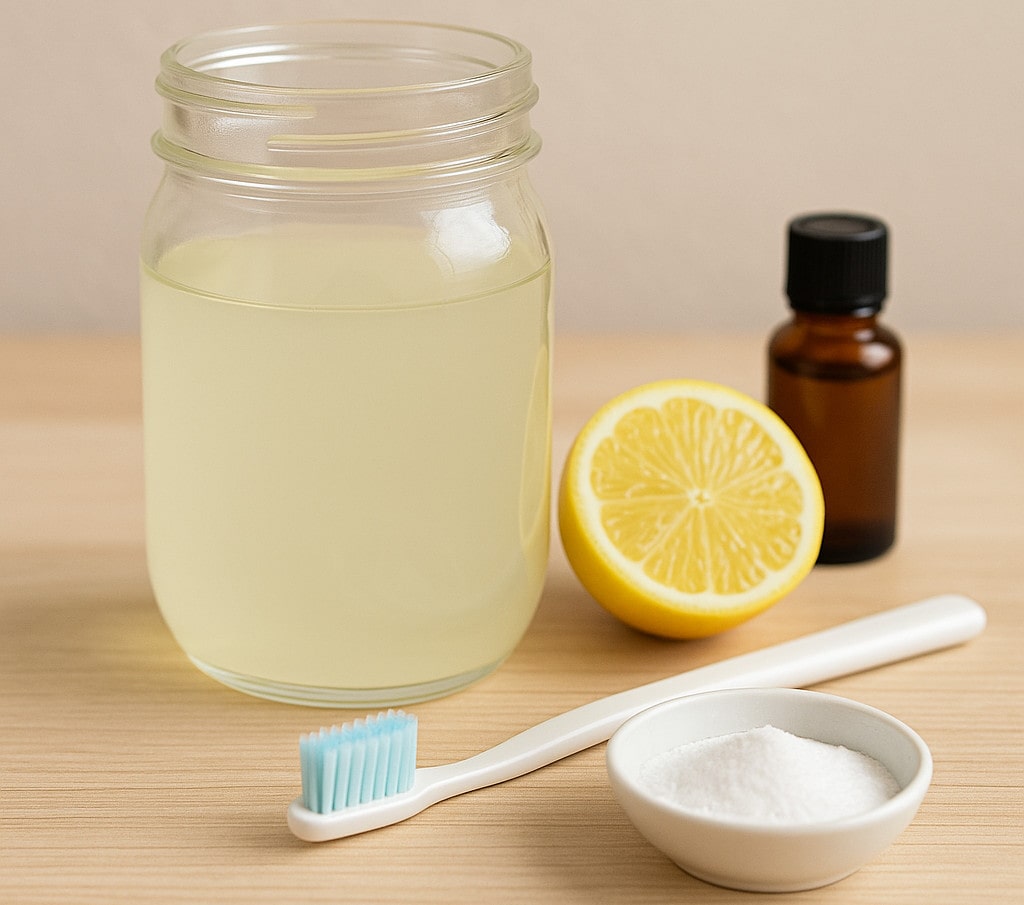
Who Benefits — and Who Should Press Pause
Great candidates for these natural rinses include residents dealing with occasional bad breath, dry mouth from medications, or minor gum sensitivity. Those allergic to alcohol‑based commercial rinses find home mixtures gentle. Families committed to reducing single‑use plastics often embrace glass bottles filled with DIY blends.
That being said, not everyone like homemade. Professional antimicrobial rinses are necessary for the correct healing of recently extracted teeth, teeth that have been extensively cleaned, or implants that have been surgically placed. Patients with active gum disease require chlorhexidine at a prescription dose because it eliminates germs from periodontal pockets that are too small for do-it-yourself solutions. Essential oils and strong antibacterial formulas should not be used by pregnant or breastfeeding women or children younger than six without first consulting a dentist.
At Dental Team FL, every clinician reviews patient history and oral‑health status before recommending specific homemade recipes. That partnership ensures patient‑grown solutions remain safe.
When Professional Rinses Outshine DIY
Natural blends shine in daily routines, yet certain conditions demand precise, lab‑tested formulations:
- Gum disease in progress: chlorhexidine gluconate rinses prescribed by a dentist reduce pocket bacteria most effectively.
- Cavity‑prone mouths: prescription‑strength fluoride rinses reinforce enamel where DIY can’t.
- Braces or aligners: specialized orthodontic rinses clean niches around brackets and wires better than kitchen mixes.
These ADA‑approved products come with clinical data proving both safety and effectiveness — qualities homemade solutions cannot reliably match.
Bringing It All Together with Professional Guidance
Homemade mouthwash recipes offer an engaging way to involve communities in their own oral‑care journeys, from swishing salt water beside the New River to stirring turmeric by the backyard grill. Yet these kitchen experiments only shine when paired with the insight of dental professionals. At Dental Team FL, every preventive appointment includes an oral‑health exam, personalized pH testing if needed, and clear recommendations on which homemade rinses fit each patient’s unique profile.
You can be sure that your homemade blends will improve your oral health without any unwanted side effects, whether you try the salt-water rinse after paddleboarding off Lauderdale-by-the-Sea or the green-tea elixir after a gallery stroll in FATVillage.
Ready to explore natural rinses without risking enamel or gum health? Book a consultation online or call the Sunrise Boulevard office. Let the expertise of dental professionals guide your kitchen experiments, ensuring that every swish supports a brighter, healthier smile — long after the sun sets over Fort Lauderdale’s waterways.